One of the most common questions homeowners ask us before starting a remodeling project is, “How long will this take?” While every project is different, understanding the typical remodeling timeline can help homeowners plan ahead and set realistic expectations. And it’s not always the size of the crew that matters. Some things just take time.
We’ve all watched home remodeling TV shows where an entire house appears to be transformed in a 30- or 60-minute episode. New kitchens, bathrooms, flooring, paint, and landscaping seem to come together almost overnight! While those shows are fun to watch and can provide great inspiration, they don’t always show the full timeline behind the scenes. Real-life remodeling involves planning, ordering materials, scheduling contractors, permits, inspections, and sometimes unexpected surprises along the way.
A small cosmetic project, such as painting, replacing flooring, updating light fixtures, or installing new countertops, may take anywhere from a few days to a few weeks. These projects usually require less planning and fewer contractors.
A bathroom remodel often takes approximately two to six weeks, depending on the size of the space and the amount of work involved. Projects that include moving plumbing, replacing a shower or bathtub, installing tile, or making electrical upgrades can take longer.
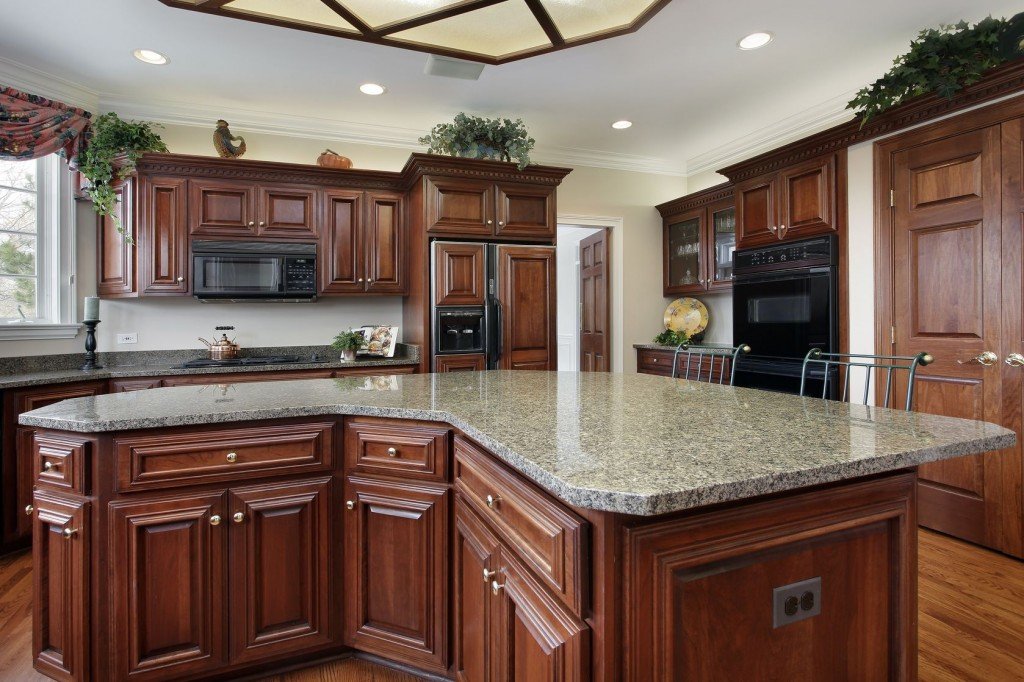
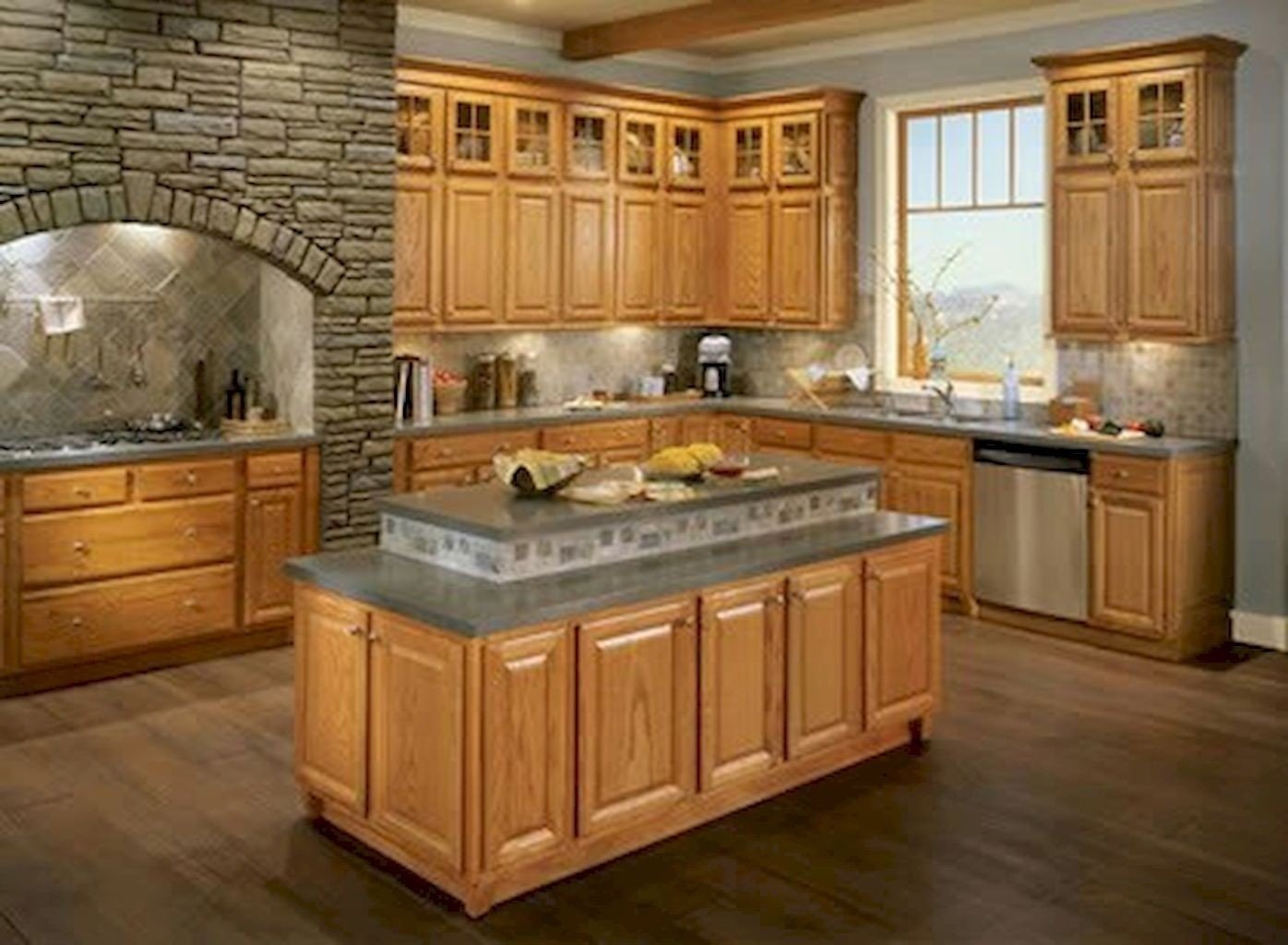
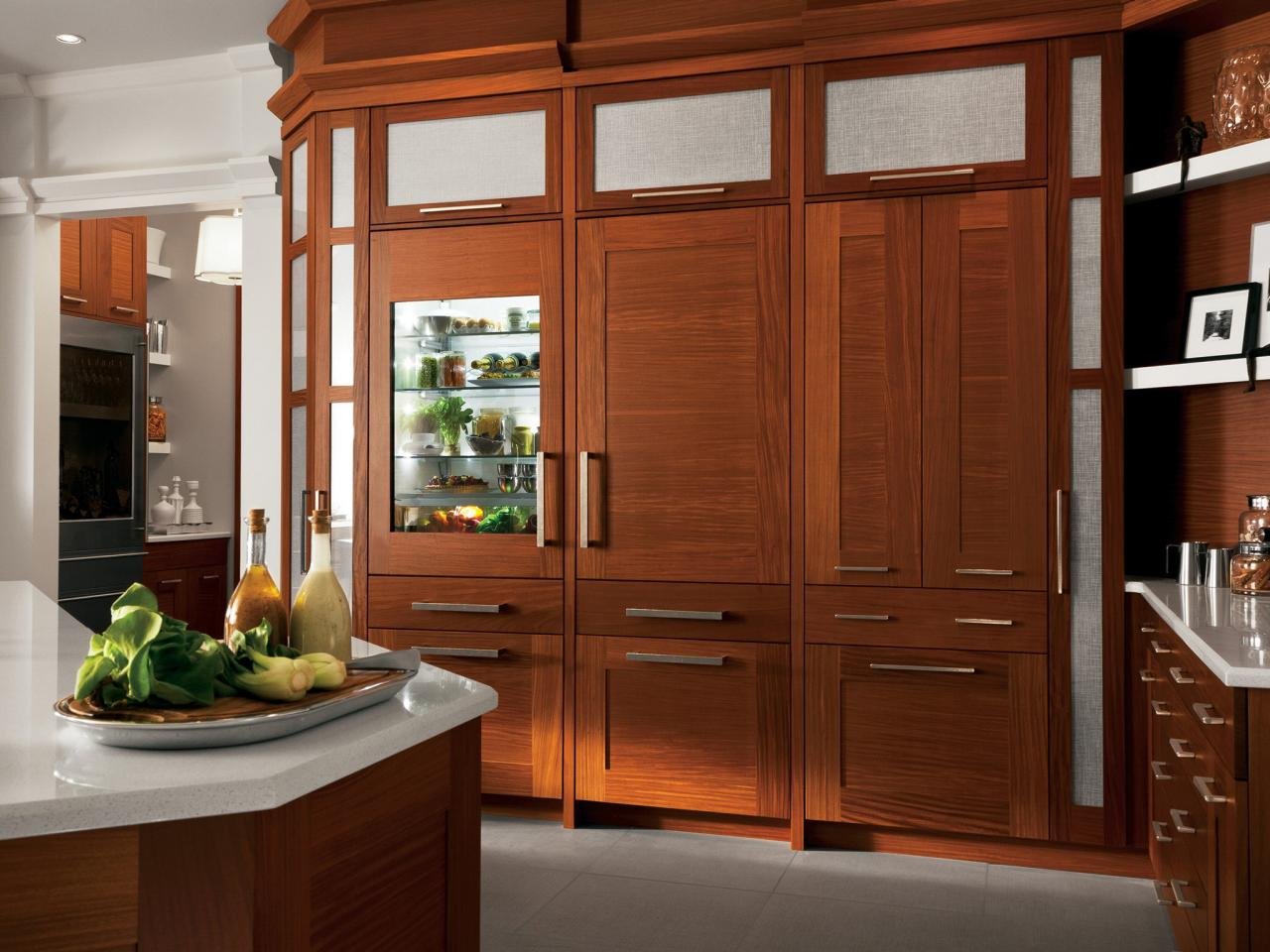
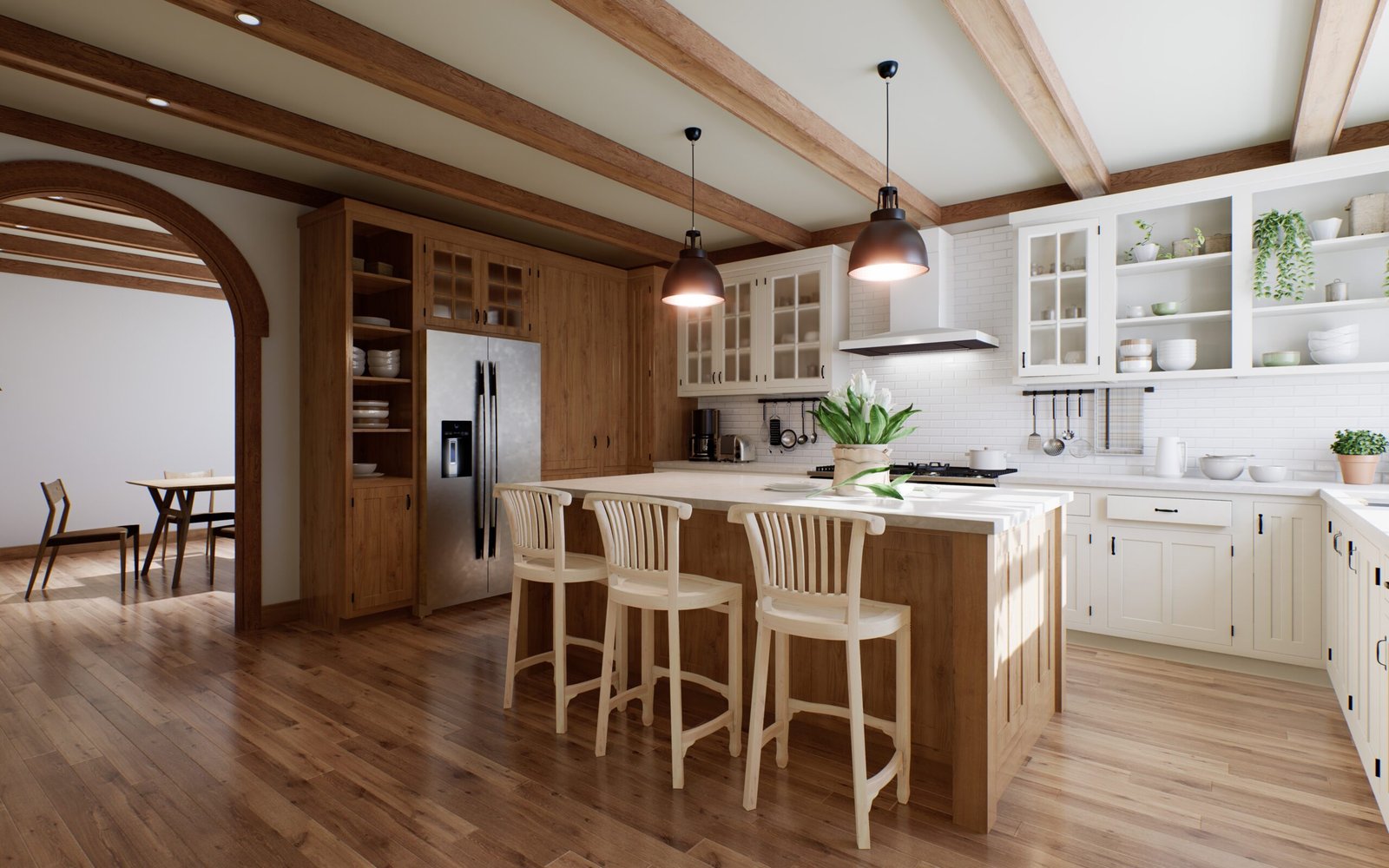
A kitchen remodel can take anywhere from six weeks to several months. Kitchens often involve multiple stages, including demolition, electrical and plumbing work, cabinetry, countertops, flooring, painting, and appliance installation. Custom cabinets or specialty materials can also affect the timeline.
For larger projects, such as a basement remodel, room addition, or major whole-home renovation, the timeline may extend from several months to a year or more. Permits, inspections, weather, material availability, and unexpected issues discovered during construction can all affect how quickly the project is completed.
The best way to keep a remodel moving forward is to spend time planning before construction begins. Choosing materials early, finalizing design decisions, ordering products in advance, and working with experienced professionals can help prevent unnecessary delays.
It’s also important to expect the unexpected. Older homes, in particular, can reveal hidden issues such as outdated wiring, plumbing problems, water damage, or structural concerns once walls or floors are opened.
A successful remodel isn’t always the fastest one. Allowing enough time for proper planning, quality workmanship, inspections, and finishing details can help ensure the final result is something you’ll enjoy for years to come. A realistic timeline, good communication, and flexibility can make the remodeling process much less stressful from start to finish.
So, while your favorite remodeling show may make it look like an entire home can be transformed in 60 minutes, the reality is that quality remodeling takes time—and that’s okay. The goal isn’t just to finish quickly; it’s to create a finished space that is beautiful, functional, and built to last.